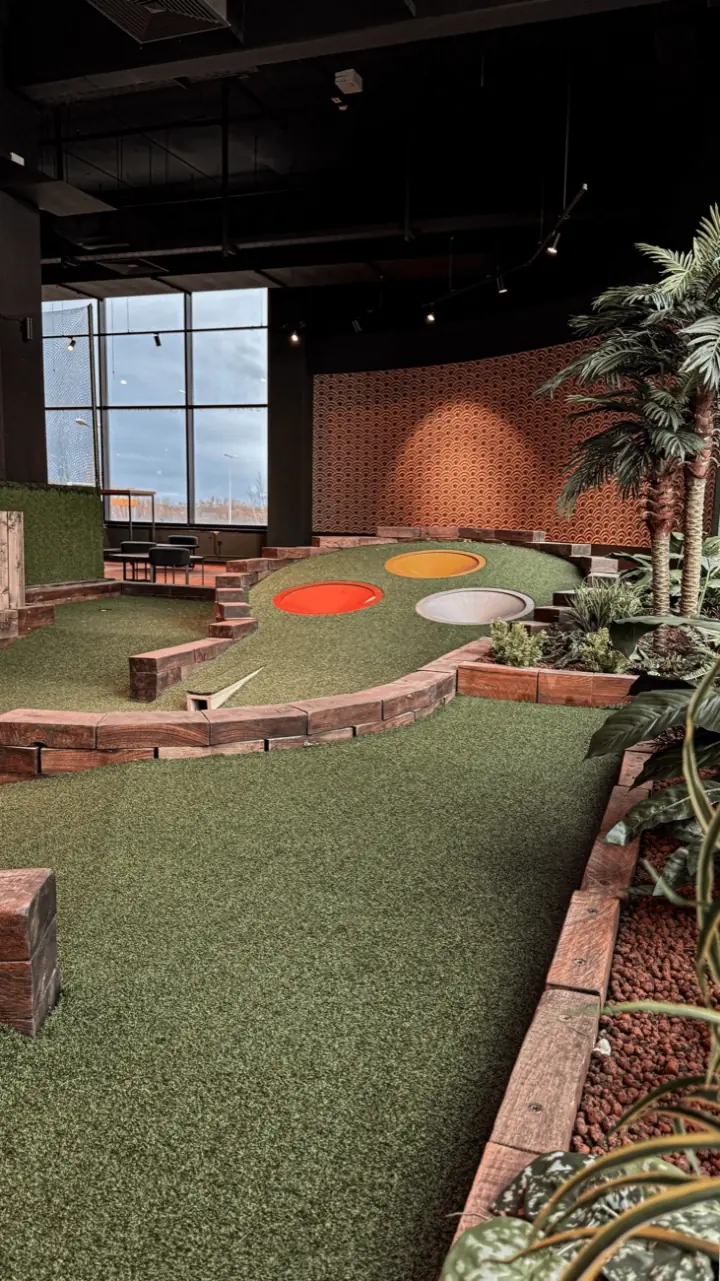
Almost anything looks good on opening day. The difference shows a year later, when thousands of balls, feet, spilled drinks and cleaning shifts have gone over the same surfaces. That's what commercial-grade means in practice: built for the second year as well as the first.
01Where courses wear out first
Damage is predictable. Edges take constant hits from balls and putters. Turf wears at the tee and around the cup. Moving parts loosen. Joints open up where a structure was never meant to be leaned or sat on, and guests will lean and sit on everything.
A good builder designs for this from the start, with protected edges, replaceable sections and fixings that a technician can reach.
02What to ask before you buy
- Materials. What are the structures, edges and playing surfaces made of, and why?
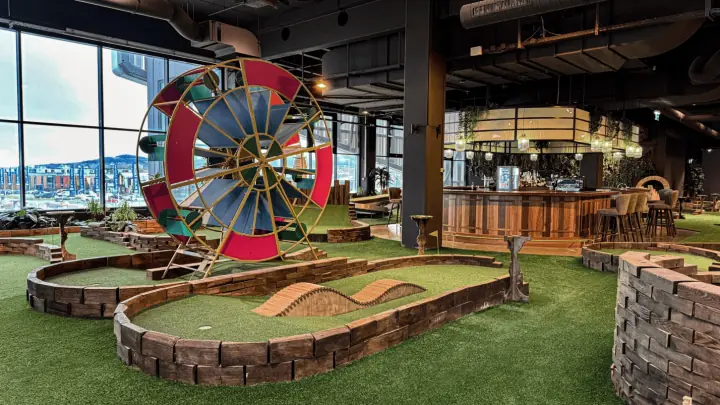
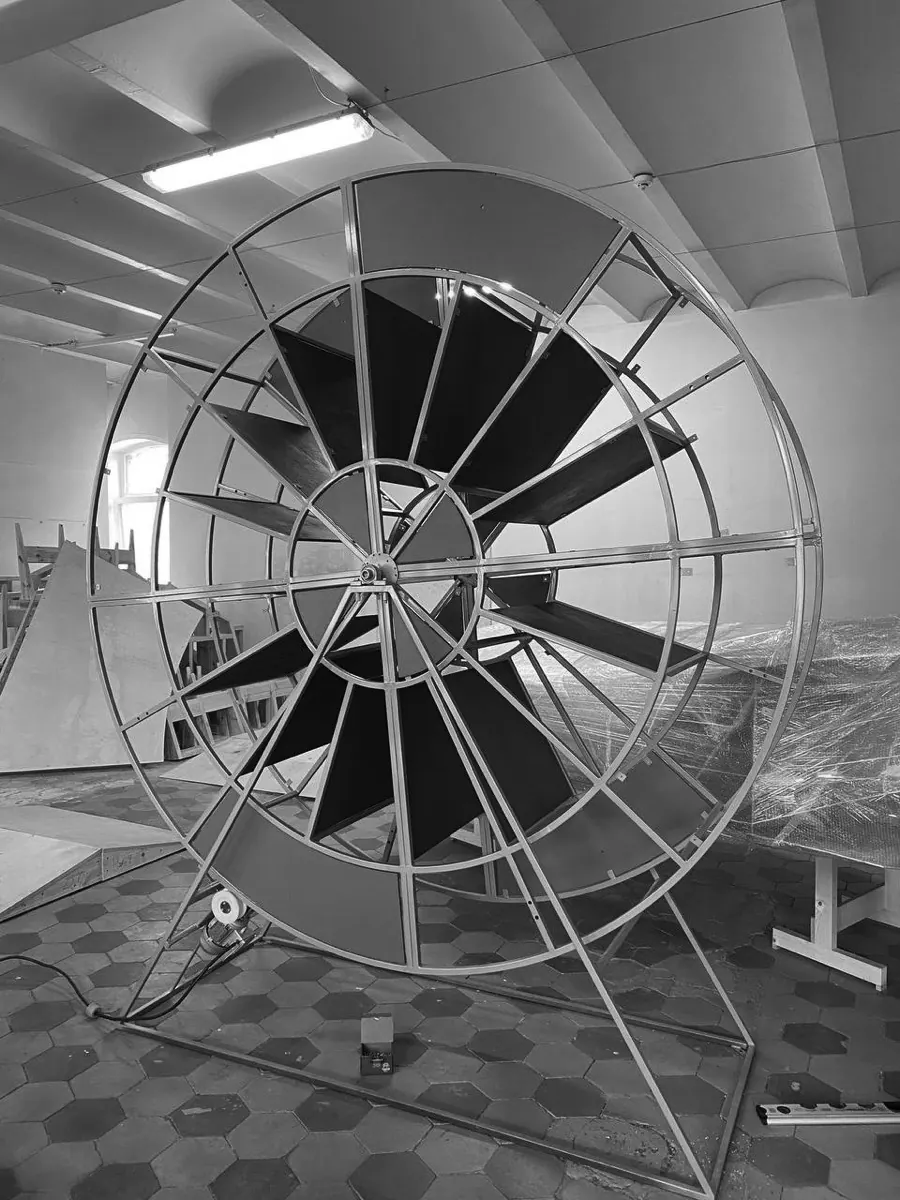
- Moving parts. What happens to the wheel or the drum after a year of daily use?
- Repairs. Can one section be replaced without rebuilding the hole?
- Spare parts. Who supplies them, and how quickly?
- Safety. How have edges, heights and fire requirements been handled for your location?
A serious supplier will answer these without hesitation. If the answer is mostly about how the course looks in renders, keep asking.
03Think about upkeep from day one
A low price can turn expensive once a venue has to close holes for repairs. A broken feature also loses you the very thing people came to photograph. Plan for daily cleaning and regular checks, and keep a budget for refreshes, because a course that starts to look tired takes the whole room with it.
Look at an older course
Ask to see something the supplier installed a while ago, not just the newest project. Worn edges and quiet fixes will tell you more than any brochure.
04Why we build in-house
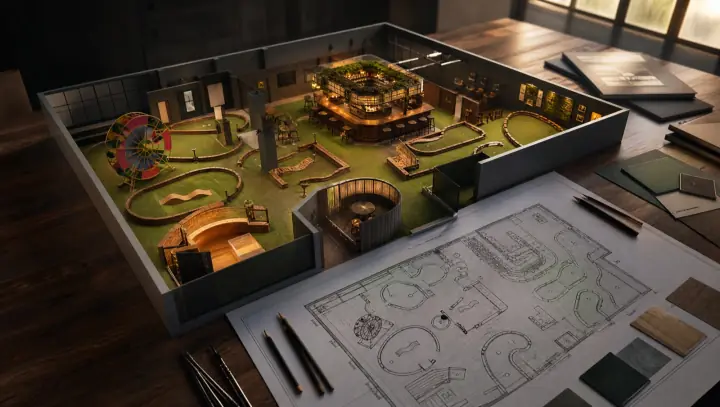
Design, engineering and production sit under one roof with us, so the people drawing a hole also have to make it and support it afterwards. That keeps decisions practical. It's also why our build service includes aftercare, spares and maintenance after opening.