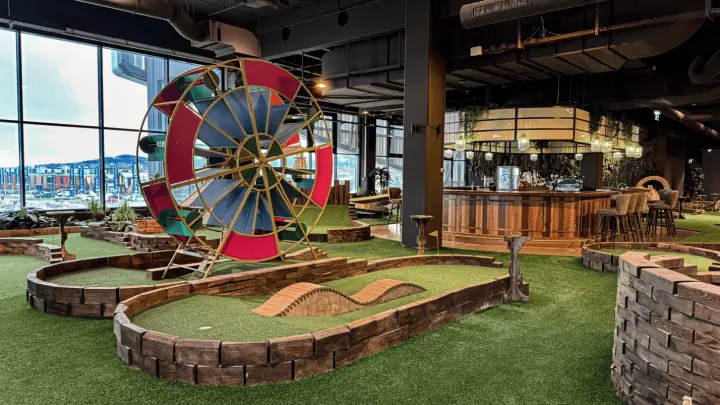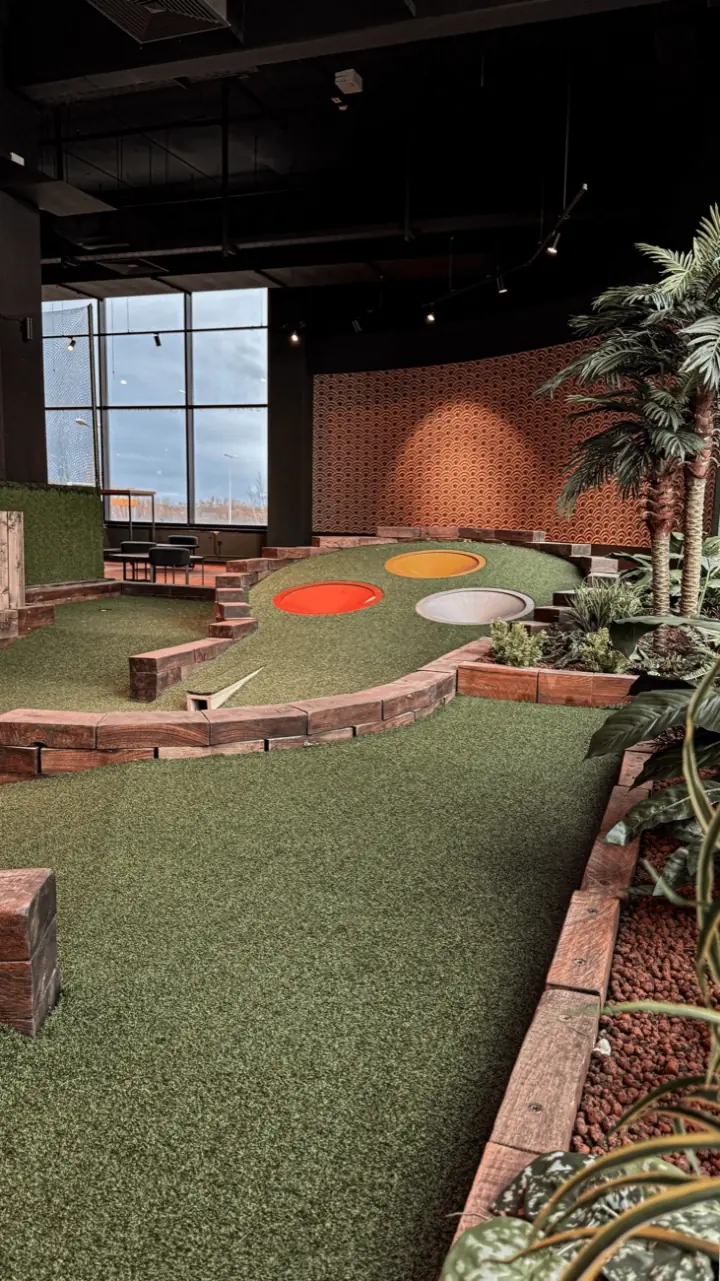

Walk-ins feel friendly until Saturday night, when the entrance is full and the course has a traffic jam on hole three. Time slots fix both problems, because they let you decide how many people start each round.
01Sell slots, not just tickets
Work out how many groups can start in a given period without catching up with each other, then sell exactly that many. It feels like limiting your income. In practice it protects the experience, keeps groups moving and gives you a clear picture of each day in advance.
Keep some capacity back for walk-ins if you're somewhere with passing trade. Shopping centres in particular get spontaneous guests, and sending them away for no reason is a waste.
02Take payment when they book
A prepaid ticket is a much stronger commitment than a reservation. No-shows fall, and you know your income before the doors open. For groups, a deposit does the same job. Be clear about changes and cancellations, and make rebooking simple. Guests accept firm rules when they're fair and easy to find.
- Keep checkout short. Date, time, players, pay. Ask for anything else later.
- Send reminders. A message the day before cuts no-shows and answers the usual questions.
- Make groups easy. Parties and company bookings need their own simple path.
03Use price to shape the week
Once you sell by the slot, you can see exactly when you're full and when you're empty. Charging more on peak evenings and less on quiet afternoons spreads demand and fills time you're paying for anyway. Start gently, and keep the offer easy to understand.
Watch the door, not the dashboard
The system only works if arrival works. Scanning a ticket should take seconds. If guests still bunch up at reception, fix that first.
04Connect it to everything else
Booking data is most useful when it reaches the till, your waivers and your guest list. Then one record shows who came, what they spent and whether they came back.
That's how we set up venues through our technology service.